


.png)
Metal Door Embossing Machine: A Comprehensive Introduction
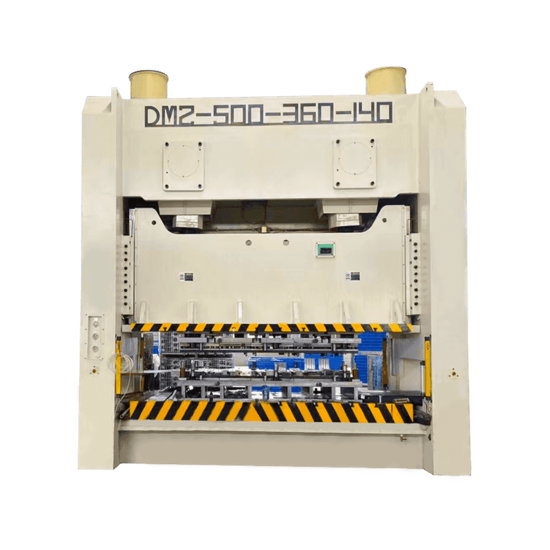
The process of embossing metal door panels involves applying controlled force to a sheet of metal between two dies or molds. The die typically contains the desired pattern or design, and when the metal sheet is pressed between them, the pattern is transferred onto the surface, creating a three-dimensional texture. The result is a door that not only offers added strength but also enhanced visual appeal.
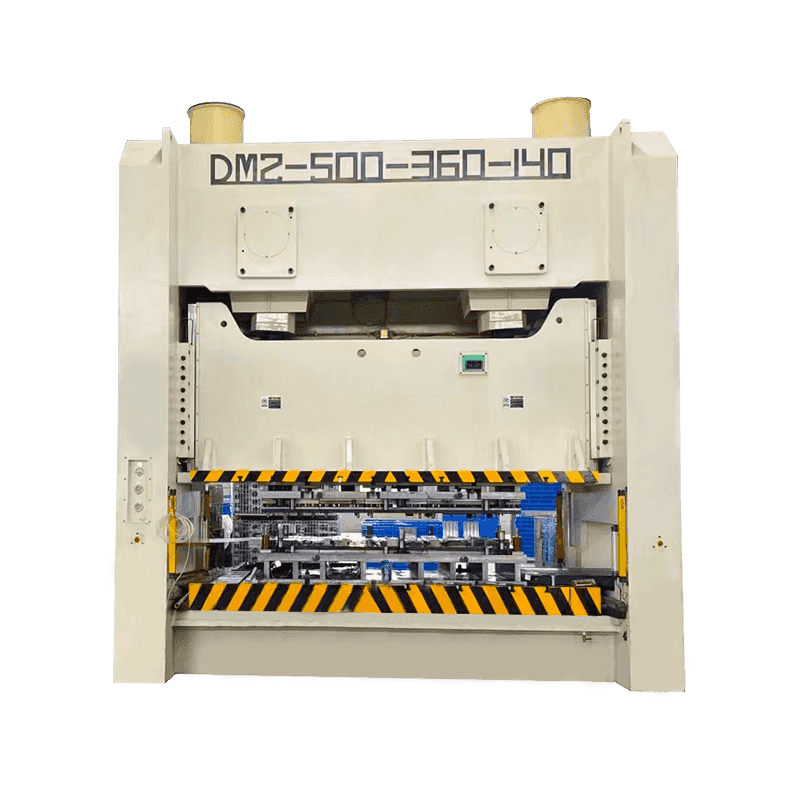
The operation of a metal door embossing machine involves several key steps. Understanding how these machines work is essential to appreciating their role in door production.
Metal Sheet Preparation: the metal sheets that will form the door panels are prepared. These sheets may be made of steel, aluminum, or other metals and are usually cut to the desired size for the door panel. They are often cleaned and pre-treated to ensure a smooth surface for embossing.
Die Installation: The embossing machine uses dies or molds with various patterns or designs that can be customized. These dies are installed into the machine, and they create the pattern on the metal sheet. The design can range from simple geometric patterns to intricate artistic motifs.
Pressing the Metal: The prepared metal sheet is placed between the two dies inside the embossing machine. The machine then applies pressure to the metal sheet, forcing it into the mold. The force transfers the design onto the surface of the metal, creating raised or recessed patterns. This step requires precise control over the pressure and timing to ensure consistency and avoid damaging the metal sheet.
Post-Processing: After the embossing process, the metal sheet may undergo further treatments such as painting, coating, or polishing, depending on the intended final appearance and functionality of the door.
Modern metal door embossing machines come with several features that enhance their performance and ensure high-quality results. These features include:
Adjustable Pressure Control: The pressure applied to the metal during the embossing process is crucial to achieving a clean, consistent pattern. Many embossing machines come equipped with adjustable pressure control systems that allow operators to modify the force based on the material type and design complexity.
Automatic or Semi-Automatic Operation: Depending on the level of automation required, metal door embossing machines can be fully automatic or semi-automatic. Automatic machines tend to be more efficient for large-scale production, as they can handle material feeding, embossing, and ejection of the finished product with minimal human intervention.
Customizable Dies: Many embossing machines allow for custom dies to be created. These dies can be designed with unique patterns to meet the specific requirements of the manufacturer or customer. The ability to customize dies allows manufacturers to produce doors with exclusive designs that align with architectural trends or individual preferences.
High-Speed Production: Advanced metal door embossing machines are designed for high-speed production. These machines can emboss a large number of door panels in a relatively short amount of time, making them ideal for mass production environments where efficiency is key.
Durability and Precision: The machinery is built to handle the high stresses of embossing metal, ensuring long-lasting performance. The precision of the embossing process is also essential, as the designs must be uniform and accurate across every panel, ensuring quality consistency.