


.png)
Materials Used by Hydraulic Press Machines: Key Considerations for Performance
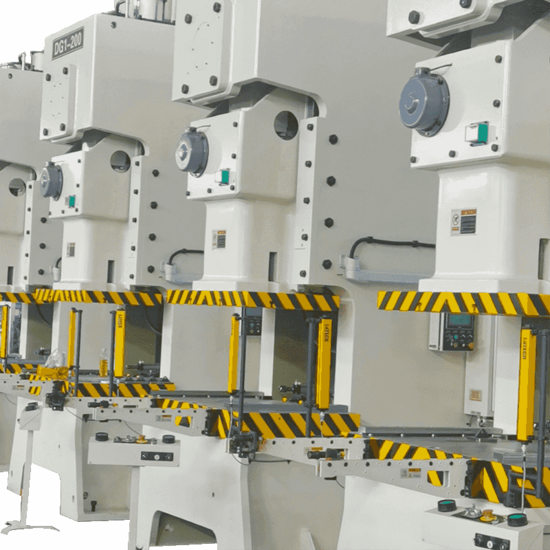
Hydraulic press machines are fundamental pieces of equipment in various industries, from automotive manufacturing to metalworking and even in the production of plastic components. These machines use hydraulic force to shape, mold, cut, or assemble materials. The performance, efficiency, and longevity of hydraulic press machines depend not only on the design and engineering but also on the materials used in their construction.
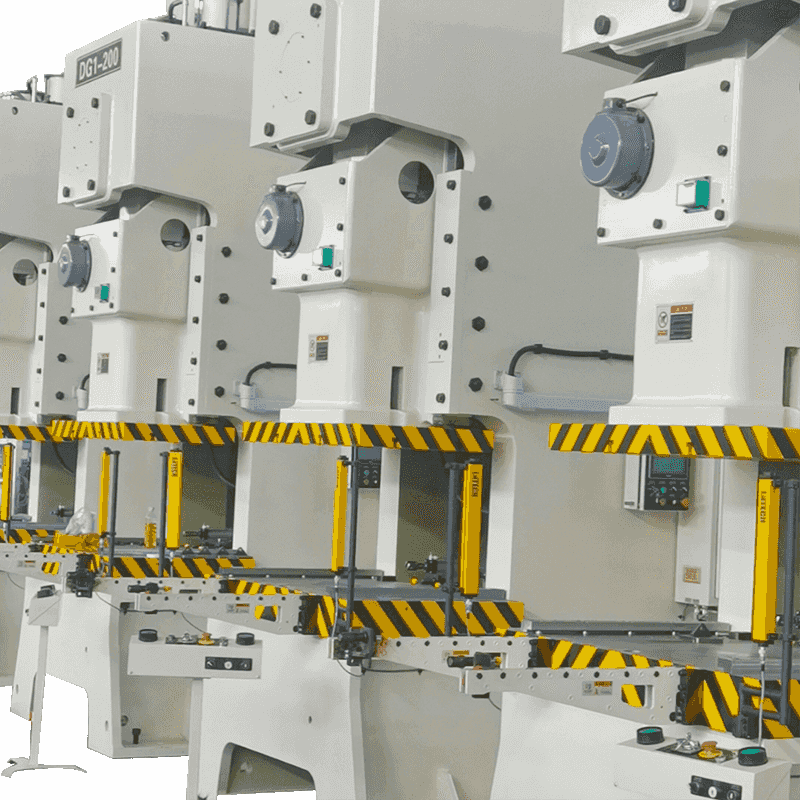
The frame and structure of a hydraulic press machine are the foundation that holds all of its components together. The material chosen for this part must be strong, durable, and able to withstand the immense pressures exerted during the pressing process.
Common Materials Used:
Steel (Carbon Steel and Alloy Steel): Steel is the commonly used material for the frame of hydraulic presses. Carbon steel is affordable and provides strength, making it suitable for general-purpose hydraulic presses. Alloy steel, which is stronger due to the addition of elements like chromium, nickel, and molybdenum, is often used for more specialized applications, such as heavy-duty presses that require higher strength and resistance to wear and tear.
Cast Iron: Cast iron is often used for the frame of smaller or less demanding hydraulic presses. It is cost-effective and provides vibration damping, which is beneficial in machine wear and improving the precision of operations. However, cast iron can be more brittle compared to steel, making it less suitable for larger, high-stress applications.
Welded Steel Plate: For some high-performance hydraulic presses, welded steel plates are used to create the frame. These plates are welded together to form a rigid and robust structure, providing strength while reducing the weight of the press. Welded steel frames are more flexible in terms of design, allowing manufacturers to customize the size and shape of the press.
The hydraulic system is the heart of a hydraulic press machine. Hydraulic components, including pumps, cylinders, valves, and hoses, are critical to delivering the force necessary for the machine to operate effectively. The materials used for these components must be durable, resistant to corrosion, and able to handle high pressures without failure.
Common Materials Used:
Steel (Stainless and Carbon Steel): Both stainless steel and carbon steel are commonly used for hydraulic cylinders, pistons, and pumps. Stainless steel is particularly favored for its resistance to corrosion, making it ideal for systems exposed to moisture or chemicals. Carbon steel, on the other hand, is used in applications that do not require corrosion resistance but demand strength and durability under high pressure.
Aluminum Alloys: Some hydraulic components, particularly in lighter or smaller presses, use aluminum alloys. These materials offer good strength-to-weight ratios and corrosion resistance, which can be advantageous in certain hydraulic systems. However, they are generally less durable under pressures than steel-based materials.
Brass and Bronze: Brass and bronze are sometimes used in hydraulic components like valves and fittings, as they offer good resistance to corrosion and wear, particularly in systems that use fluids prone to causing rust or degradation.
High-Pressure Hoses and Tubes: Hydraulic hoses and tubes are typically made from materials like braided steel or reinforced rubber. These hoses are designed to handle the high-pressure hydraulic fluids that power the machine. The outer layer is usually made of a strong rubber or synthetic material that resists abrasion, while the inner layer is reinforced with steel braiding for strength and durability.