


.png)
How to Choose a Pneumatic Punching Machine
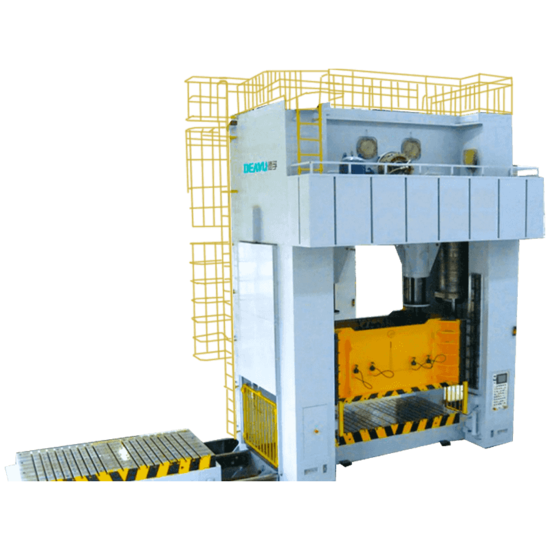
What Are the Main Applications of Pneumatic Punching Machines?
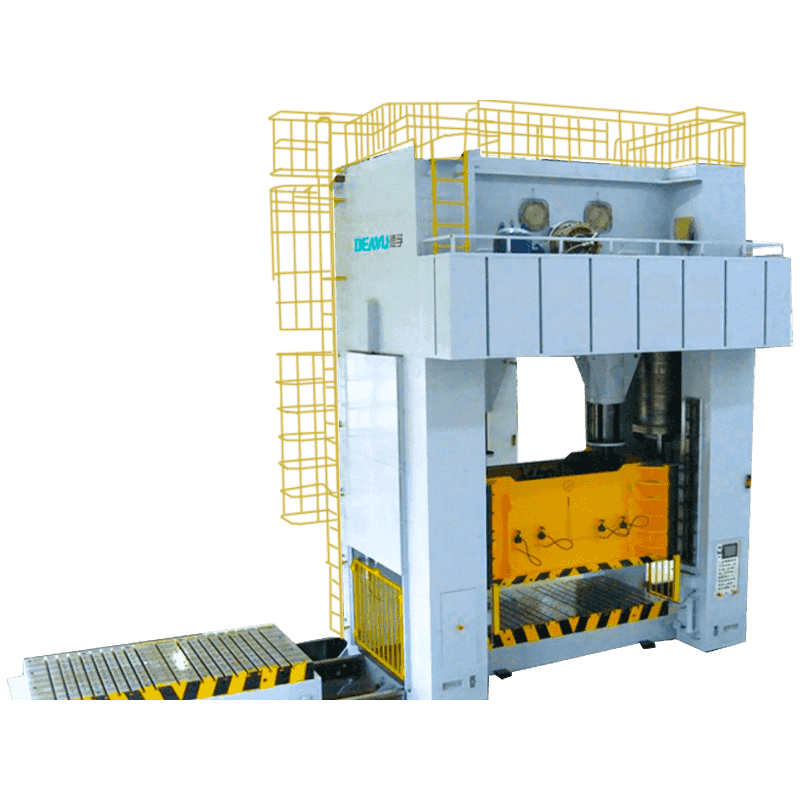
Pneumatic punching machines are widely used in industries that require precise and efficient hole-making or shaping processes. They are suitable for sheet metal, leather, plastics, and other soft-to-medium materials. Typical applications include:
Metalworking:
Creating holes, slots, or patterns in thin and medium-gauge sheets.
Preparing components for assembly, such as brackets or panels.
Textile and Leather:
Punching holes in belts, straps, shoes, and bags.
Achieving consistent hole placement for stitching or fasteners.
Plastic and Packaging:
Cutting shapes, perforations, or ventilation holes in plastic sheets.
Producing packaging components or templates efficiently.
Automotive and Electronics:
Fabricating small parts that require precise holes for assembly.
Ensuring repeatable dimensions in high-volume production.
The diversity of applications makes pneumatic punching machines suitable for small workshops and medium-scale manufacturing. Understanding the intended use is the step in selecting the right machine.
Which Technical Specifications Should Be Considered?
When choosing a pneumatic punching machine, several technical specifications affect performance and suitability:
Punching Force:
Determines the thickness and type of material the machine can handle.
Machines with adjustable force allow for flexibility across materials.
Stroke and Die Size:
Influences the hole size and punching depth.
Machines with interchangeable dies provide additional versatility.
Air Pressure Requirements:
Ensures compatibility with existing air compressors.
Machines should operate efficiently within the workshop’s pressure range.
Worktable Size and Clearance:
Determines the material size that can be accommodated.
Sufficient clearance ensures safe operation and easier handling of larger sheets.
Cycle Speed and Automation Features:
Faster cycles improve efficiency in repetitive tasks.
Optional automation features, such as foot pedals or programmable sequences, increase consistency.
What Safety and Maintenance Factors Should Be Evaluated?
Safety and maintenance considerations are crucial when selecting a pneumatic punching machine to ensure smooth operation and longevity:
Safety Guards and Emergency Stops:
- Protect operators from accidental contact with the punch or die.
- Machines with visible and accessible emergency stops improve workshop safety.
Ease of Die Change and Maintenance:
- Machines with simple die replacement reduce downtime.
- Regular lubrication points and maintenance guides help prolong machine life.
Noise and Vibration Levels:
- Lower noise and minimal vibration enhance operator comfort.
- Machines designed with dampening systems reduce fatigue during extended use.
Durability and Build Quality:
- Strong frames and quality components provide consistent performance.
- Consider corrosion-resistant materials if used in humid or chemical-prone environments.
How Can a Comparison Table Help in Decision Making?
A table summarizing key specifications and features can assist in evaluating different models of pneumatic punching machines. For example:
Feature | Description/Consideration | Importance Level |
Punching Force | Maximum material thickness and type it can handle | High |
Die Size and Interchange | Compatibility with various punch and die sizes | Medium |
Air Pressure Requirement | Ensure the machine operates efficiently with existing setup | High |
Worktable Size and Clearance | Maximum sheet size and material handling ease | Medium |
Cycle Speed and Automation | Repetitive operation efficiency and optional automation | Medium |
Safety Features | Guards, emergency stops, and operator protection | High |
Maintenance Ease | Simple die changes, lubrication, and servicing | High |
Durability | Frame strength, material quality, and resistance to wear | Medium |
Using such a table allows buyers to compare models side by side, prioritizing the specifications that matter more for their intended use. It provides a structured approach, especially when balancing cost, performance, and operational requirements.
Choosing a pneumatic punching machine requires understanding the specific application, evaluating technical specifications, and considering safety and maintenance factors. Using a comparison table helps clarify the differences between models and ensures the selection aligns with operational needs. By carefully reviewing these factors, businesses can choose a machine that meets production requirements efficiently and safely.