


.png)
What is a power press machine and how does it operate?
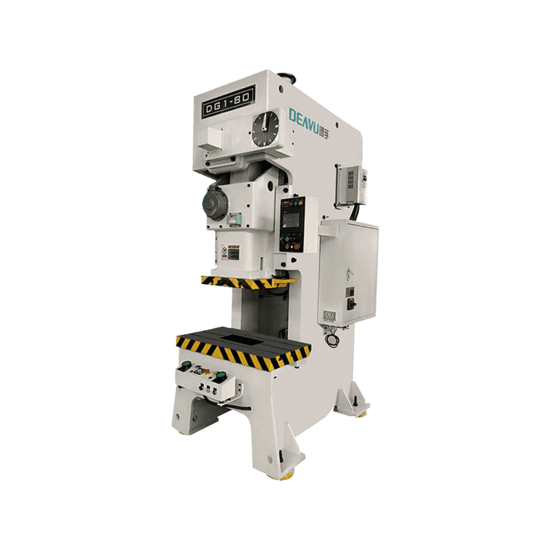
A power press machine is a type of mechanical or hydraulic equipment used to shape, cut, or deform metal and other materials through the application of controlled pressure. The machine typically consists of a frame, a ram or slide, a die set, and a drive mechanism, which may be mechanical, hydraulic, or pneumatic. During operation, the drive system moves the ram downward, applying force to the material positioned between the punch and die. This action can produce a variety of operations, such as blanking, bending, forming, or punching. Safety devices, such as guards and sensors, are often integrated to protect operators and prevent accidental engagement. Proper operation requires careful setup of die alignment, stroke length, and pressure parameters to achieve consistent results while material waste and machine wear.
What types of power press machines are commonly used in industry?
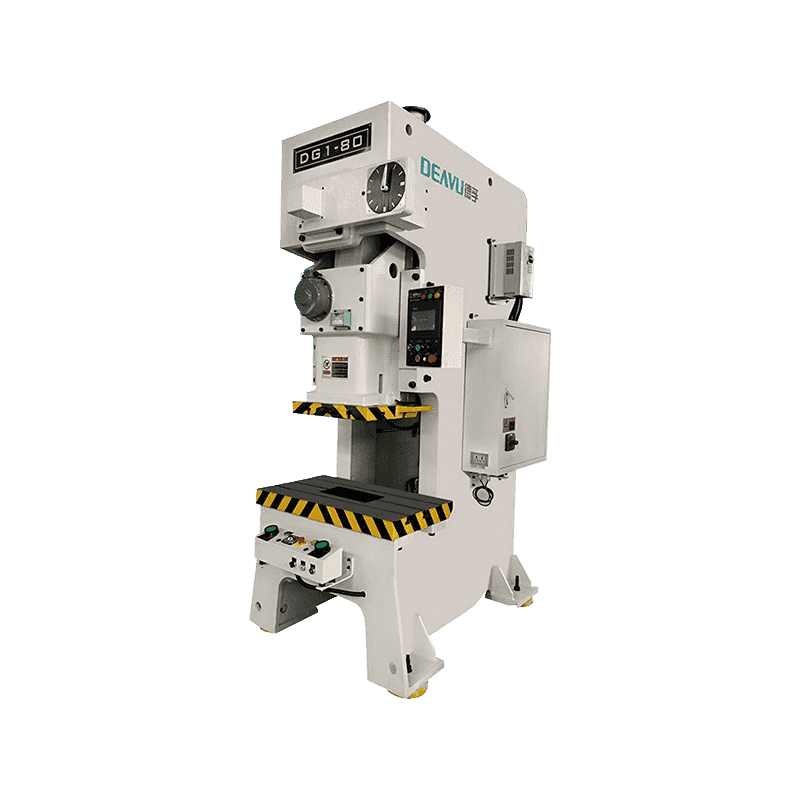
Power press machines can be categorized by their drive mechanism, frame design, or application type. Mechanical power presses use a motor-driven crankshaft or flywheel to transfer energy to the ram. These machines are suitable for high-speed operations and repetitive tasks. Hydraulic power presses rely on hydraulic cylinders to control the movement of the ram, offering precise force control and variable stroke length. Pneumatic presses, although less common, use compressed air to move the ram and are typically employed for lighter-duty tasks. In terms of frame design, C-frame presses have an open front, allowing easy access to the die, while H-frame presses provide greater rigidity and are suitable for heavy-duty work. The selection of machine type depends on factors such as material thickness, required precision, production volume, and operational space.
What safety and operational considerations should be observed?
Operating a power press machine requires attention to safety and adherence to established procedures. Operators must ensure that the machine is properly maintained, with lubrication and inspection routines followed to prevent mechanical failures. Safety guards and interlocks should be in place to prevent hands or other body parts from contacting the moving ram. Two-hand control systems or light curtains may be employed to ensure the operator’s hands are clear before the machine cycles. Material handling should be organized to avoid jamming, and die setup must be checked for proper alignment to prevent accidents. Training operators in emergency shutdown procedures and the correct use of personal protective equipment is essential. By observing these safety considerations, manufacturers can reduce the risk of injury while maintaining consistent production performance.
How should maintenance and care be performed to ensure reliable operation?
Routine maintenance is necessary to sustain the performance and reliability of a power press machine. Daily tasks include checking lubrication points, inspecting the ram and frame for signs of wear or damage, and ensuring the alignment of dies and guides. Periodic inspections should cover the drive system, hydraulic components, and electrical controls, with any worn or damaged parts replaced promptly. Cleaning the work area and removing chips or debris helps prevent interference with machine operation. Calibration of pressure settings, stroke length, and safety devices ensures consistent operation over time. Additionally, keeping detailed maintenance records can help track component life and predict replacement schedules. Consistent care and attention to operational parameters reduce downtime, maintain machining accuracy, and prolong the service life of the machine.
A power press machine is an essential tool in manufacturing processes where material shaping, cutting, or forming is required. Its operation depends on a combination of mechanical, hydraulic, or pneumatic systems to deliver controlled force to the workpiece. Various types of power presses, including mechanical, hydraulic, and pneumatic, offer different advantages depending on production needs. Safety practices and operational procedures are critical to preventing accidents and ensuring consistent output. Finally, regular maintenance and careful monitoring of machine components help sustain reliable performance and extend machine life. Understanding the functions, types, operational considerations, and maintenance requirements of a power press machine allows manufacturers to use it effectively in a range of industrial applications.