


.png)
Pneumatic Punching Machine: A Reliable Industrial Workhorse
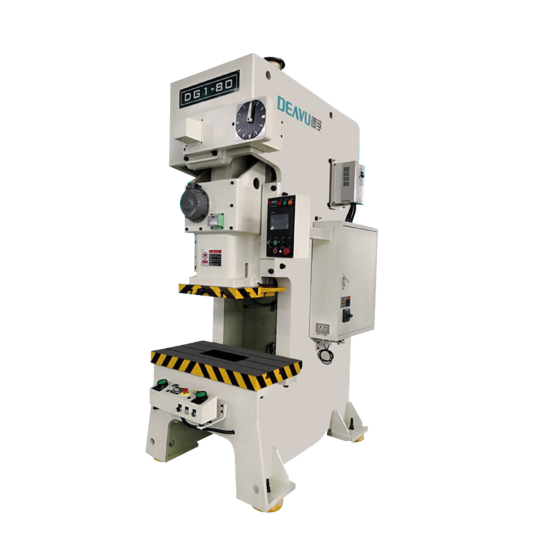
The pneumatic punching machine is widely applied in metal processing and light manufacturing environments. It uses compressed air to generate motion and complete punching operations on different types of sheet materials. Compared with other forming equipment, its structure is relatively straightforward, which allows stable operation in repetitive production tasks.
In many workshops, this type of equipment is used for sheet metal processing, component forming, and general punching work. Its performance is closely related to air system stability, tooling condition, and proper setup during operation.
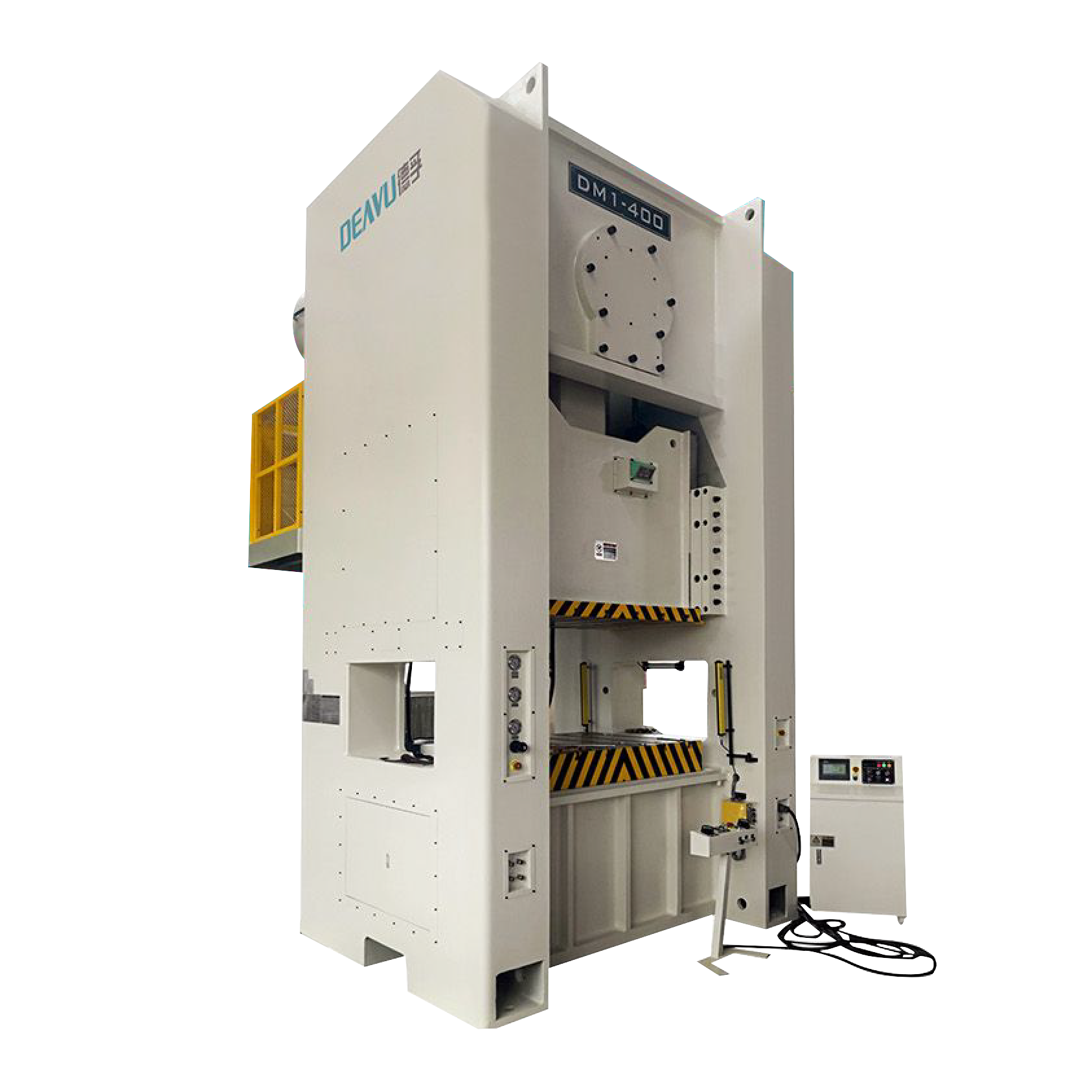
1. Working Logic and Operation Flow
The machine works by means of compressed air. Upon activation of the control signal, a valve is opened to permit air into the cylinder chamber. The pressure pushes the piston down, and the connecting ram transfers this motion to the punch assembly.
The punch passes through the material, interacts with the mold, and completes the forming process. Once the cycle is over, the system will be reset and ready for the next action.
The entire process can be summarized as follows:
Air supply activation → valve control → piston motion → ram transfer → material punching → return cycle
During production, this sequence is repeated according to the desired output volume.
2. Main Structural Elements
The equipment is built with several core components that work together during operation.
- Air cylinder: creates mechanical force from compressed air
- Control Valve: Adjust the direction and timing of air flow
- Ram assembly: transfers motion to tooling set
- Punch & Die: Define Shape and Cut Geometry
- Frame Structure: Maintains alignment and supports load distribution
Each part plays a specific role in maintaining consistent motion and alignment. Proper assembly and calibration help reduce deviation during repeated use.
3. Application Scenarios
This kind of punching system is commonly used across different industries.
In metal manufacturing, it is used for processing panels, housing components, and ventilation components. In automobile manufacturing, it is used for small structural components such as brackets and washers.
It is also used in non-metal materials, including plastic sheets, rubber products, leather materials, and packaging components. When the parameters are properly adjusted, these materials usually react well to controlled punching with no surface distortion.
The thickness of the material, the hardness, and the geometry of the punch all affect the result of the machining. The matching of the capacity of the machine with the material properties is the key to the steady running.
4. Advantages in Production Environment
The pneumatic system offers a number of practical benefits in everyday industry.
One noticeable aspect is response speed. Because of the use of compressed air, the system can complete the cycle in a short time, and can support multiple production tasks.
The next point is the maintenance structure. The system is independent of the hydraulic oil circuit, so there is little need for the management of the fluid. Routine tasks include air filtration, humidity control, and lubrication of moving parts.
Operational cleanliness is also a factor. Since no oil-based fluid is involved in the transmission of the force, it is easier to maintain a cleaner working environment.
Moreover, the behavior of the system under overload is controlled. If the resistance is too high, the motion usually stops and does not cause structural damage.
5. Limitations and Working Conditions
Despite its usability, the device has certain limitations.
Due to the constraints of the air pressure and the size of the cylinder, it is more suitable for the machining of light or medium materials. Heavy duty forming tasks may require an alternative system with a higher force capacity.
Performance is also dependent on the quality of the air supply. Variations in pressure or humidity in the airflow may affect stability and repeatability.
Operational noise is an additional consideration, particularly in a continuous production environment with multiple units operating at the same time.
6. Key Points for Selection and Operation
When selecting a pneumatic press, it is necessary to evaluate a number of techniques.
- Capacity level should match material thickness and resistance
- Throat depth determines usable working space for larger parts
- Stroke range should align with tooling requirements
- Frame rigidity influences alignment stability during repeated cycles
The alignment of the punch and the mold should be checked periodically during the operation. Even a small deviation can affect the quality of the surface and the life of the tool.
The air supply system shall keep the pressure steady and the water content is low. Proper filtration and drainage help maintain a consistent operation over time.
Regular checks on seals, valves, and lubricating points are performed to ensure stability and to minimize unexpected downtime.
Pneumatic punching machine is widely applied in the industry forming process which requires repeated punching and steady operation. Its construction allows relatively easy maintenance, while compressed air provides uniform movement for manufacturing tasks.
While it is not designed for heavy forming applications, it is effective in a wide range of standard manufacturing environments, provided it is appropriately matched to the material requirements and operating conditions.